Since 2023 · Lahore
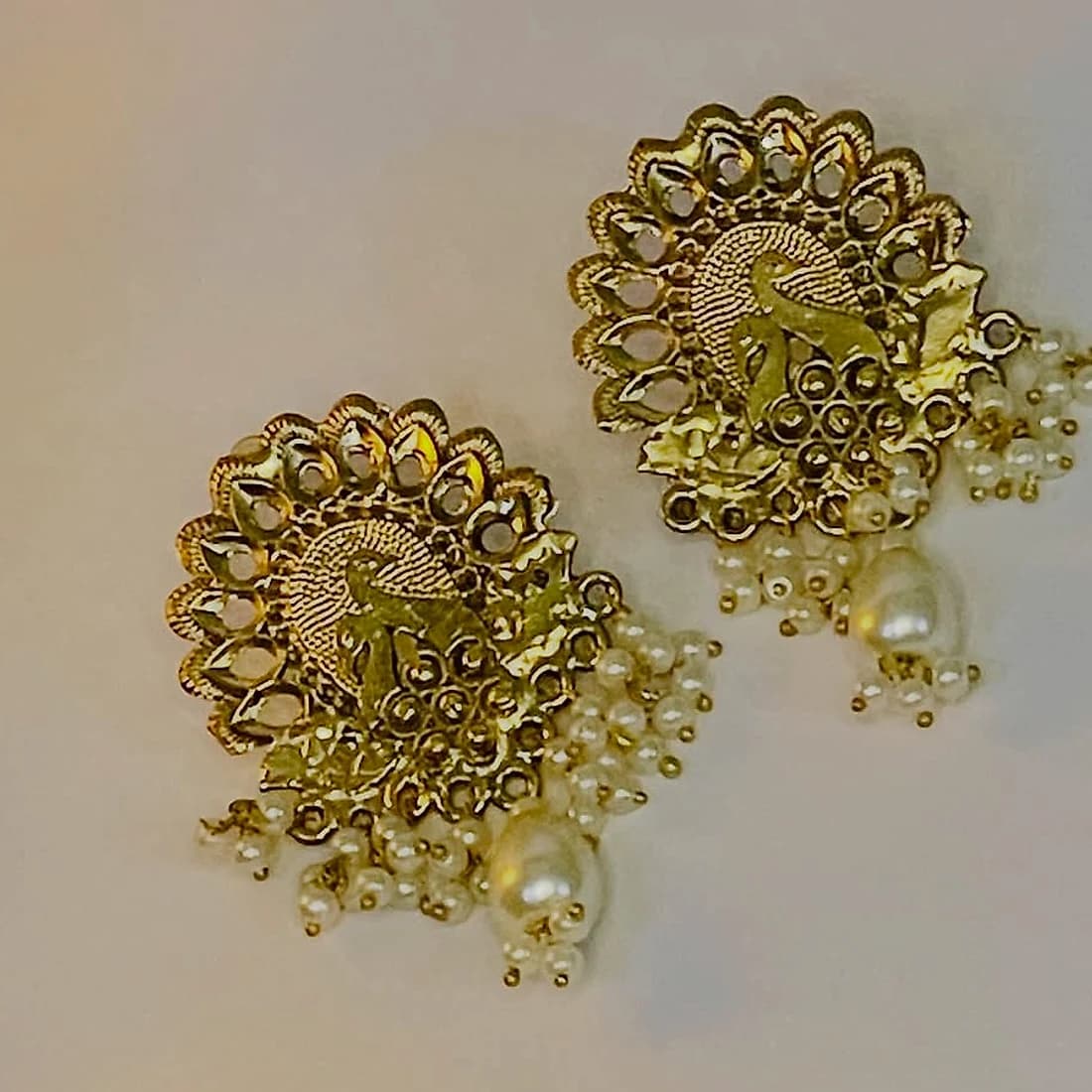
We make antique and traditional jewellery the slow way — small batches, real karigars, and packaging that treats a Rs 1,650 pair of studs like an heirloom.
How it started
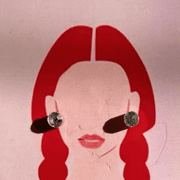
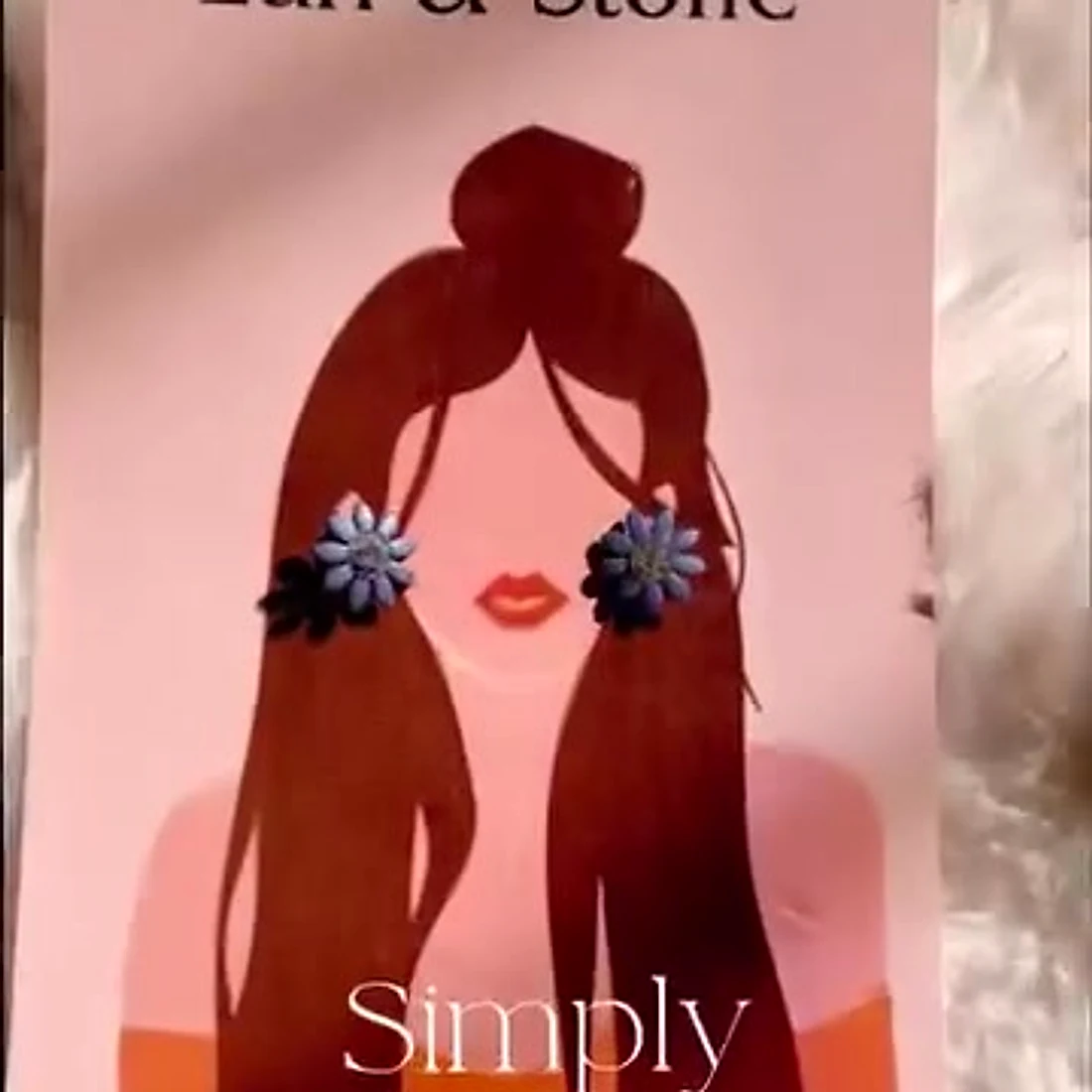
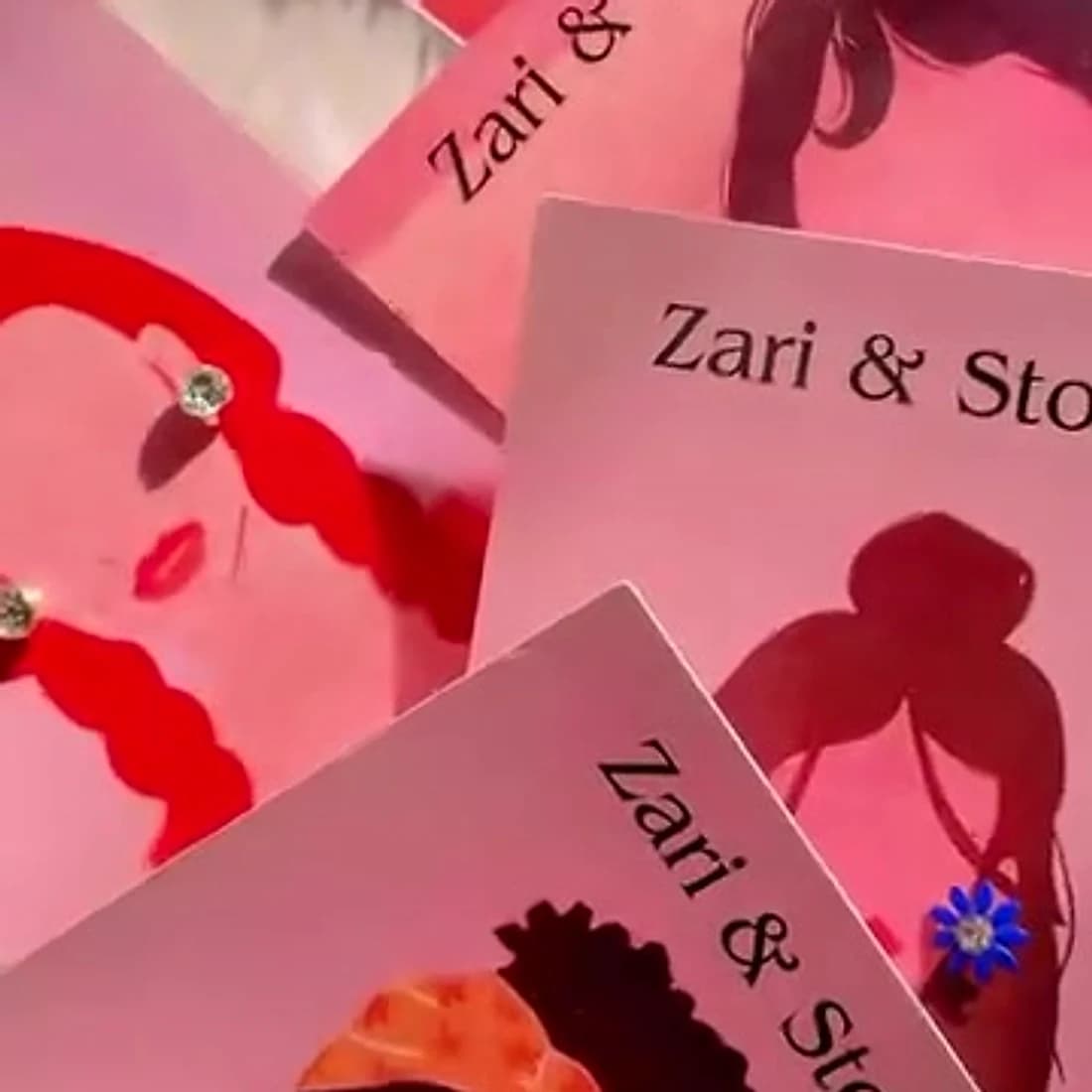
The first order went out in a plastic pouch and we hated it. Jewellery that borrows its shapes from Mughal karigars deserved better than a zip-lock, so we drew a card — the girl with the red braid you now see on every parcel — and printed fifty.
Those fifty went in a week. The card became the thing customers photographed first, which taught us something we still work by: the object matters, but so does the moment it is opened.
Today we run small batches with the same three karigars, film every piece on the studio table before it goes live, and still write each gift note by hand. When a colour run sells out, it usually does not come back the same.
How a piece is made
Every silhouette starts as a sketch — usually a motif borrowed from a piece somebody’s grandmother still owns.
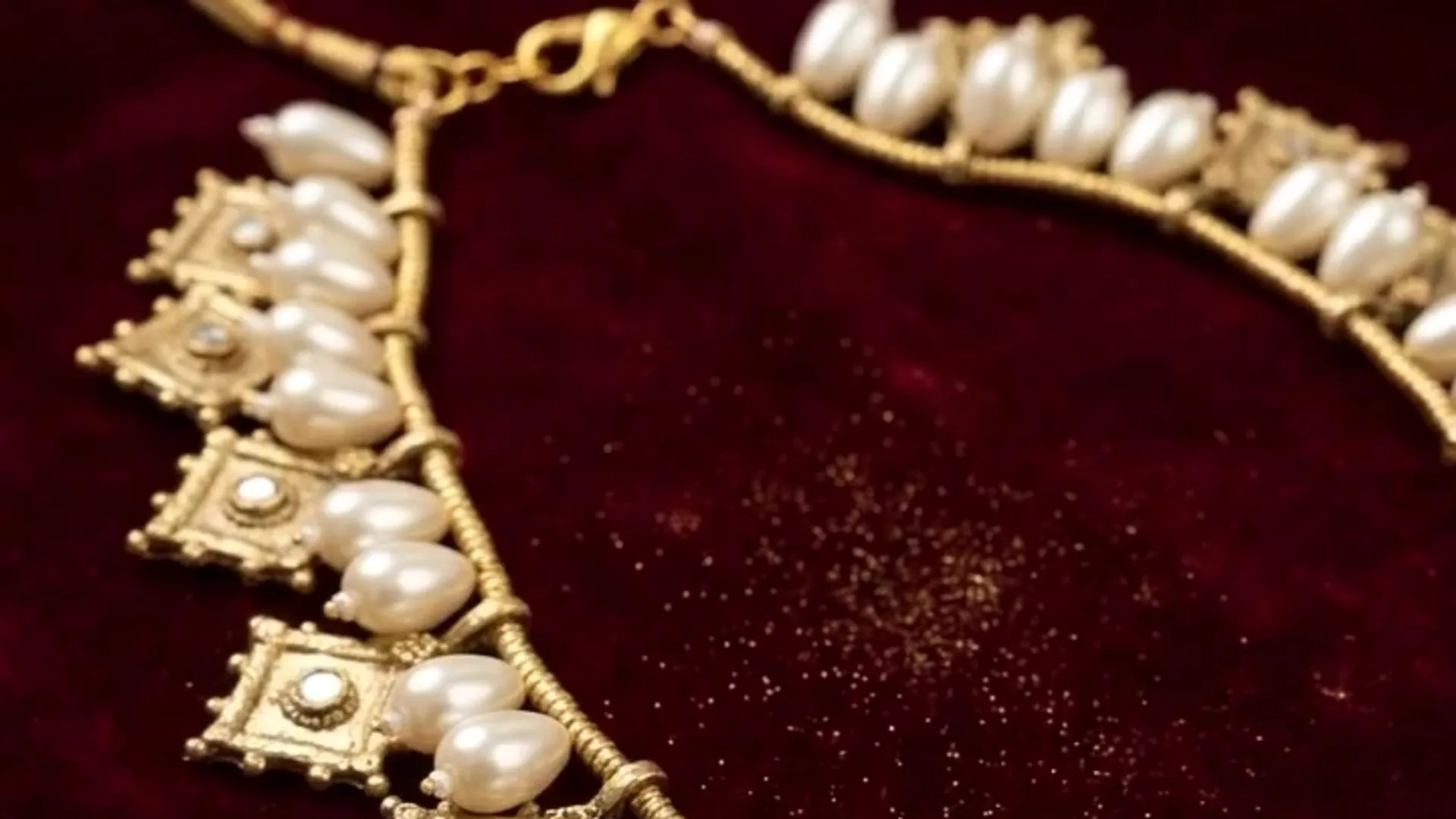
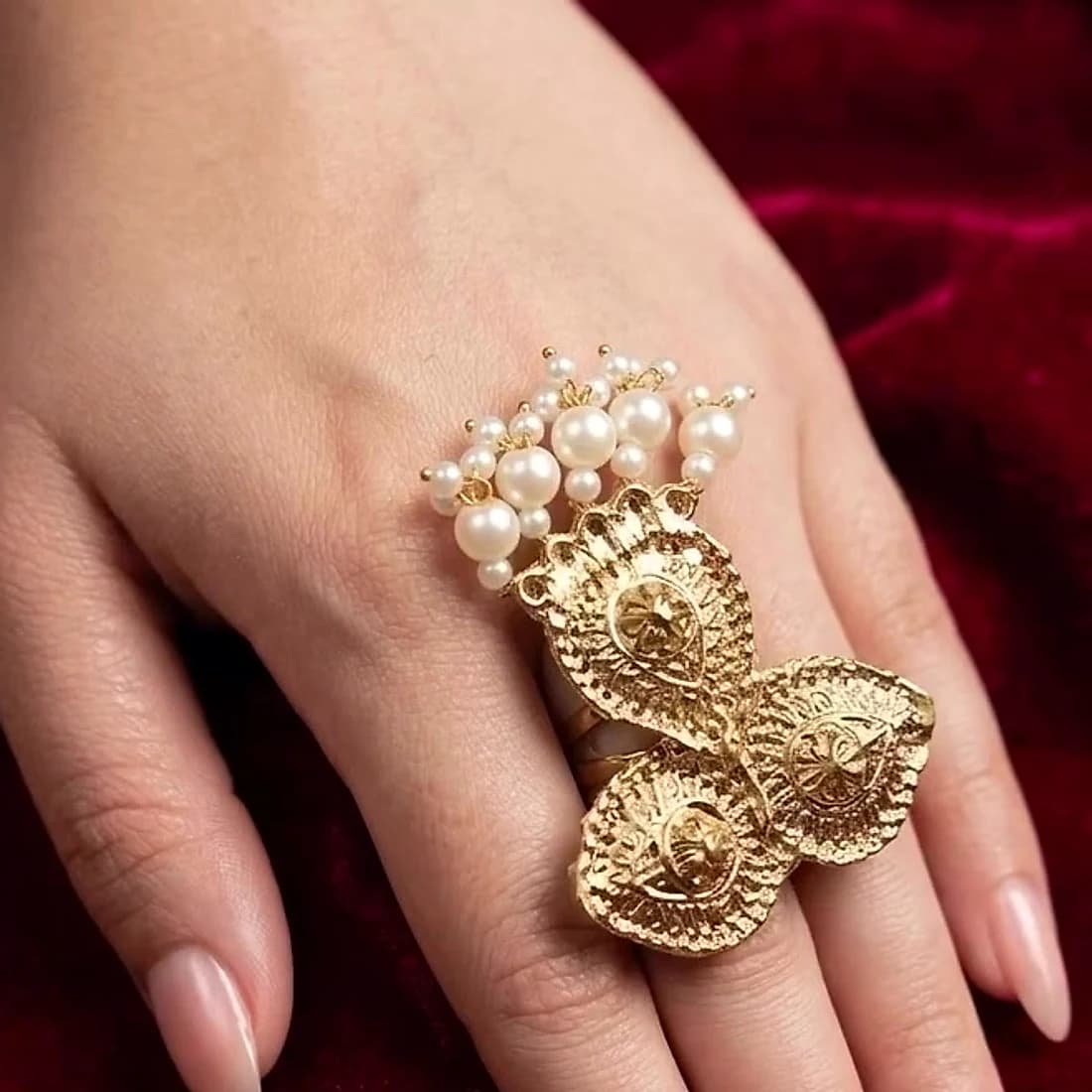
Dies are struck and mirrors are set by karigars in the old city. A single rani haar pendant is two weeks of work.
Plating is finished with an anti-tarnish seal so the gold does not turn on you after two wears.
Velvet pouch, illustrated card, your note written by hand. Then it is taped, weighed and handed to the courier.
Every product image and reel is shot on the day the batch lands, on the same table, with no colour grading. If the gold looks warm on screen it is warm in the box.
We would rather sell out than sit on stock. It keeps the work with the karigars steady and it keeps you from seeing your earrings on six other people at the same wedding.
Nothing here pretends to be solid gold. It is brass, glass and fresh-water pearls, finished properly and priced so you can wear it to a Tuesday dinner.